Did you know that older men have a peni*s…?

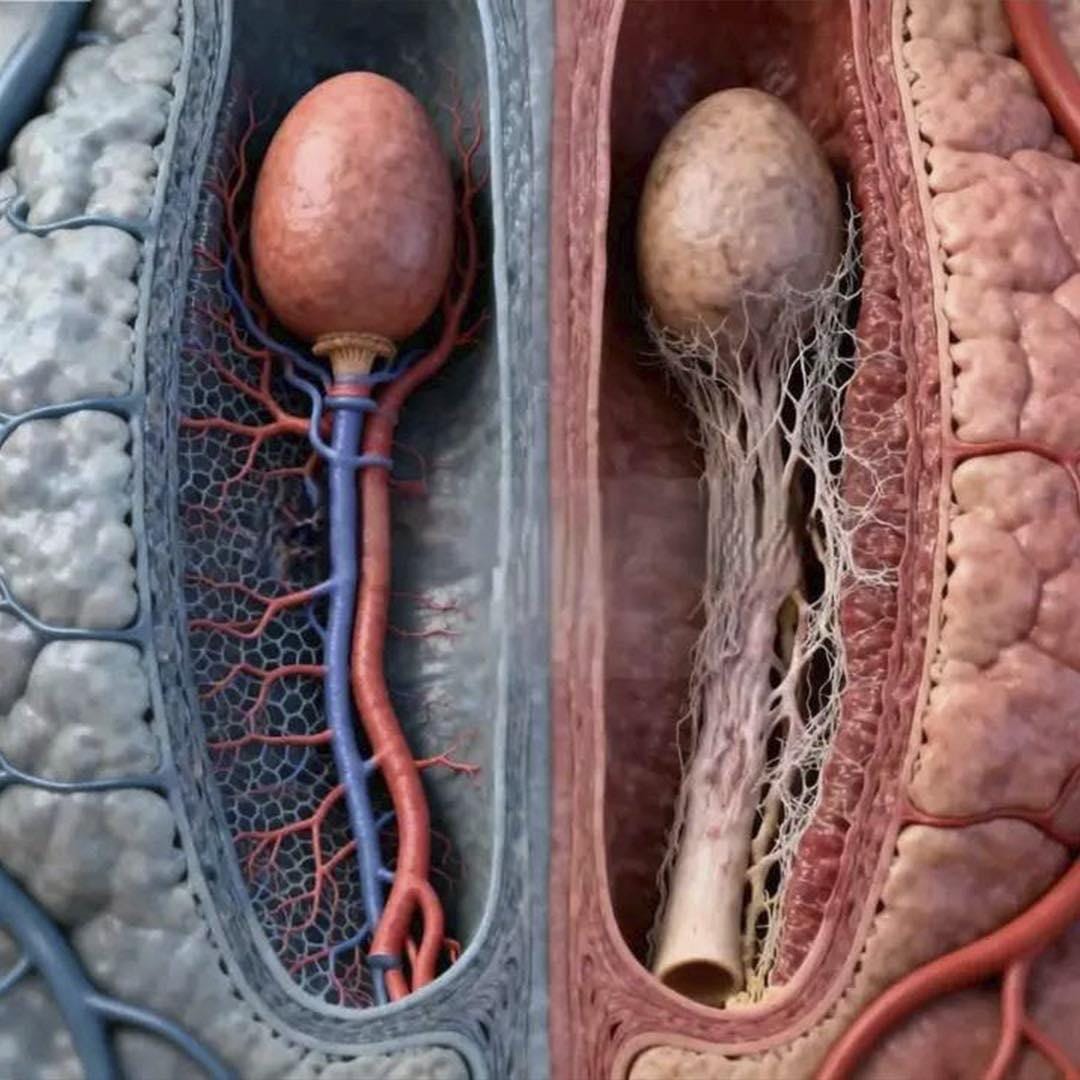
The images we commonly see comparing a “healthy” kidney with a “damaged” one can be shocking. Blocked blood vessels, deteriorated tissue, and affected internal structures reveal a reality we don’t usually see. But beyond the visual impact, the important thing is to understand what causes this deterioration and how it can be prevented.
One of the silent enemies of the kidneys is the modern lifestyle. Diets high in salt, sugar, and ultra-processed foods overload the body. Excess sodium forces the kidneys to work harder than necessary, while excessive sugar consumption directly affects the blood vessels that supply them. Over time, this constant effort takes its toll
The comparative images are not meant to frighten, but to draw attention. They show the contrast between an organ that receives good care and one that has suffered years of unintentional neglect. The difference is not due to chance, but to everyday habits.
It’s also important to debunk the myth that “no pain, no problem.” Many diseases progress silently, and kidney disease is one of the clearest examples. Waiting until you feel pain is not a safe strategy.
Ultimately, taking care of your kidneys means taking care of your quality of life. They are small organs, but with enormous responsibilities. Giving them the attention they deserve today can prevent complex treatments in the future and allow your body to function properly for many years.
Prevention is always easier than cure. And although they’re invisible, our kidneys thank us for every glass of water, every balanced meal, and every conscious decision we make each day. Good health isn’t always noticeable when it’s present, but its absence is deeply felt when it’s lost