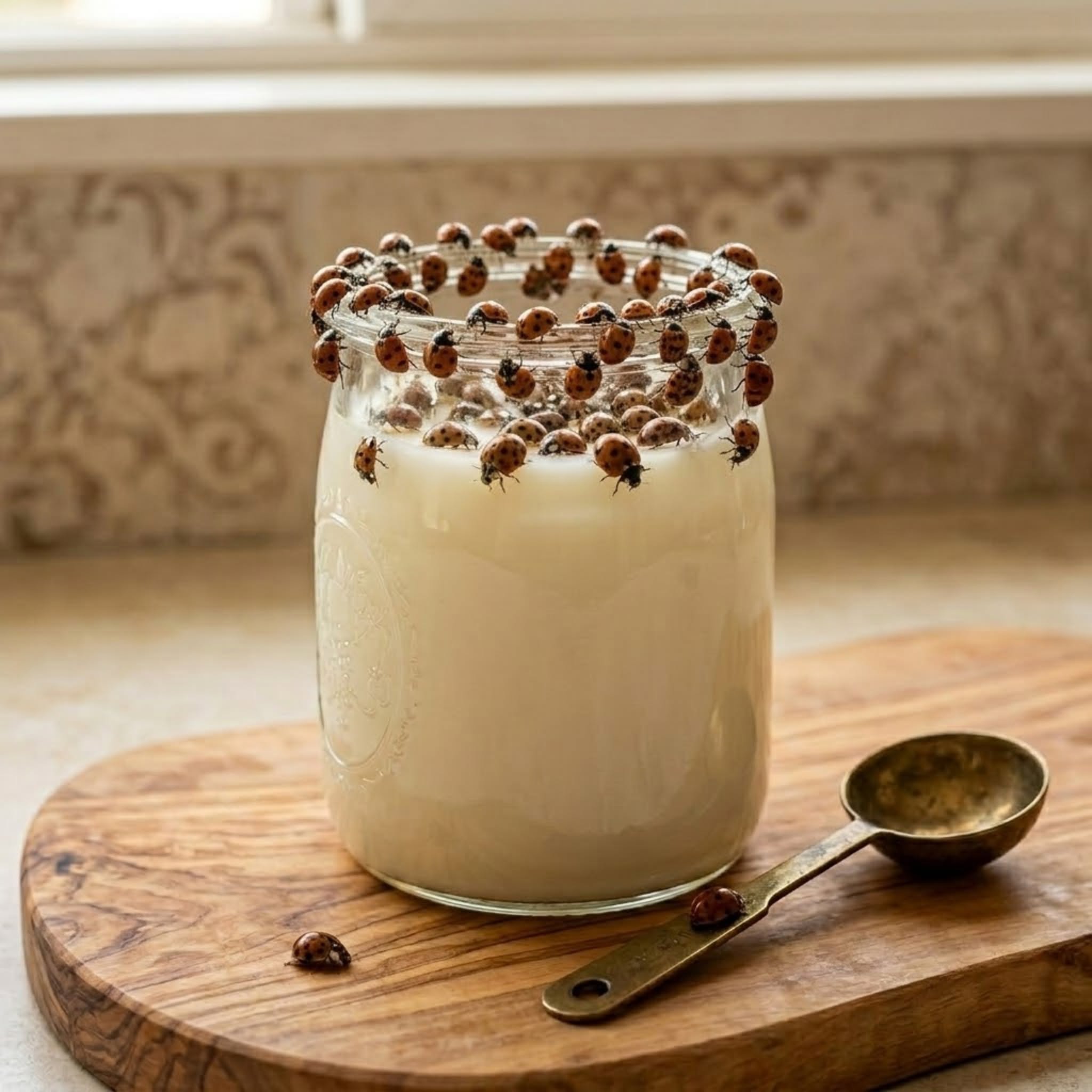
Here is the complete breakdown of what this viral image is actually showing, why these bugs are taking over houses, and the science behind why this simple DIY trap is so incredibly effective.
The Great Imposters: Those Aren’t Normal Ladybugs
The first and most important thing to understand is that the insects in the jar are not your friendly, garden-variety native ladybugs. They are an invasive species known as the Asian Lady Beetle (Harmonia axyridis).
While they look remarkably similar to native ladybugs (sharing the same red/orange color and black spots), their behavior is vastly different. Asian Lady Beetles are notorious for being aggressive household pests. Here is why Autumn accurately described them as “evil” and “stinky”:
They Bite: Unlike native ladybugs, Asian Lady Beetles have a tendency to bite humans and pets. While not highly dangerous, the bite feels like a sharp pinch and can cause allergic skin reactions in some people.
The Foul Odor: As a defense mechanism, when these beetles feel threatened or are squished, they secrete a foul-smelling, yellowish fluid from their leg joints (a process called “reflex bleeding”). This liquid smells terrible—often compared to rotting leaves or dirty gym socks—and it permanently stains walls, curtains, and furniture.
Massive Swarms: They don’t invade in ones and twos. When they find a suitable environment, they release pheromones that attract thousands of other beetles to the exact same location.
Why Are They Taking Over Houses?
Asian Lady Beetles are infamous for a behavior called “overwintering.” As the weather turns cold in the late fall, these insects instinctively seek out warm, sheltered places to hibernate for the winter.
Unfortunately for us, human houses are the perfect temperature. They swarm the sunny, light-colored sides of buildings and squeeze their way inside through tiny cracks in windows, doors, and siding. Once inside, they cluster together in the hundreds or thousands, crawling across ceilings, clustering in light fixtures, and driving homeowners crazy.
The Secret Behind the Viral Trap