The Secret Code on Your Bath Towels: What Those Lines Actually Mean (And Why They Matter!)

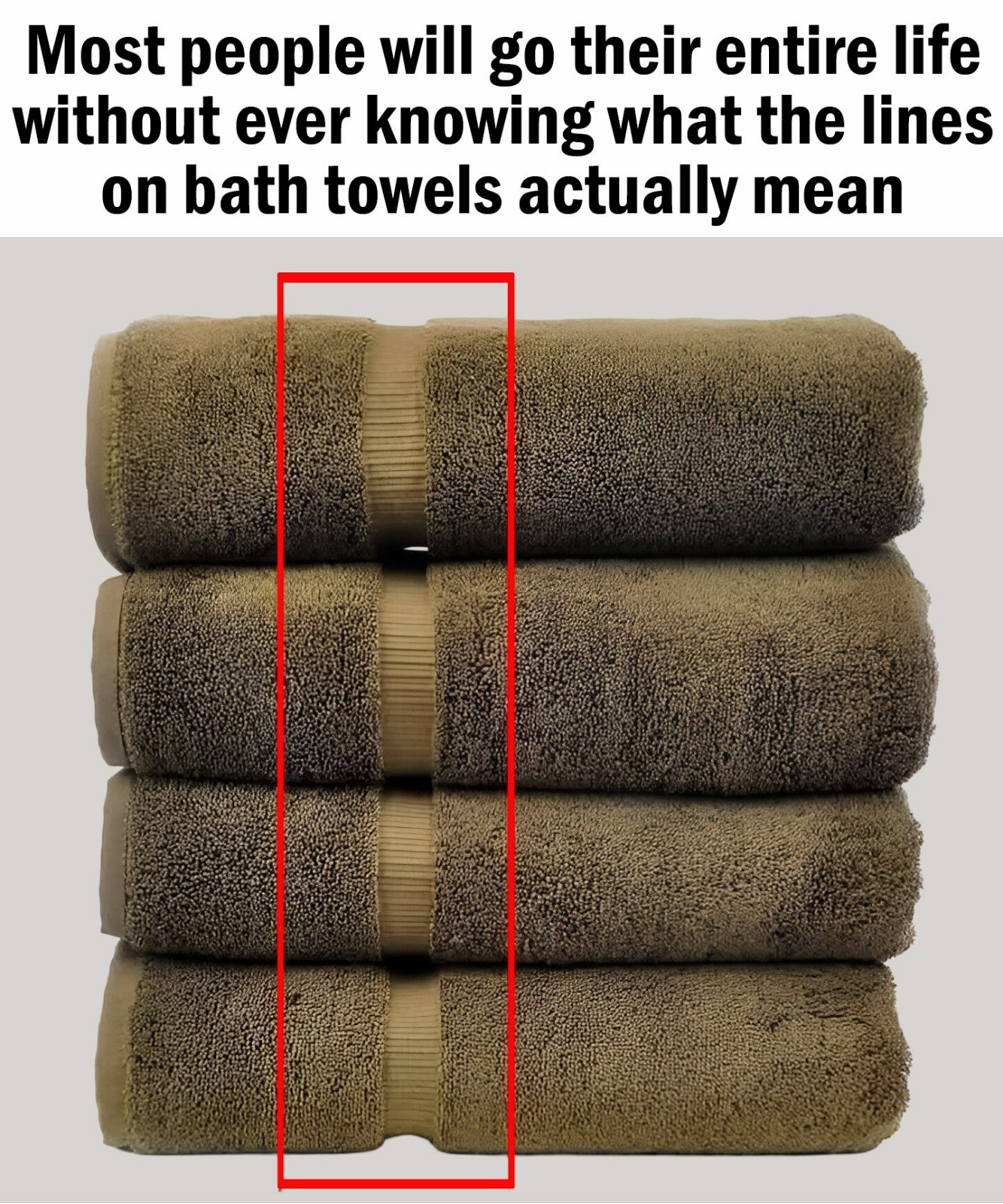
2. The Hemstitch: The Traditional Marker
Look closely at the very edge. Do you see tiny, evenly spaced holes or a ladder-like pattern where the fabric seems to be pulled together? That’s a hemstitch.
What it means: This is a classic finishing technique where groups of threads are drawn together and bound. It’s traditional, elegant, and often associated with luxury linens.
Why it matters: Hemstitching is labor-intensive. It’s a sign of craftsmanship. However, it can be delicate. If you’re rough with your laundry (looking at you, heavy-duty cycle enthusiasts), hemstitched edges may snag or unravel faster than a simple folded hem. It’s beautiful, but it requires gentle care.
3. The Solid Band: The Modern Minimalist
Many contemporary towels feature a solid, wide band of color at the ends, distinct from the main body of the towel.
What it means: This is usually a design choice driven by trends. Think spa-like aesthetics, hotels, or modern home decor.
Why it matters: While mostly aesthetic, these bands can sometimes indicate a change in weave density. Manufacturers might use a tighter weave for the band to create a crisp contrast. Be aware: if the band is made of a different material (like cotton vs. polyester blend), it might dry at a different rate than the rest of the towel, leading to slight warping over time.
4. The "No-Line" Edge: The Everyday Workhorse
Some towels have no distinct border at all—just a simple folded-over hem sewn down.
What it means: Efficiency. This is the standard for mass-market, budget-friendly towels.
Why it matters: There’s nothing wrong with this! In fact, these edges are often the most durable because there are no intricate weaves to snag. If you want a towel that can withstand high-heat drying, bleach, and years of heavy use without fuss, the simple hemmed edge is your best friend.
💡 Why Does This Knowledge Matter?
You might be thinking, "Okay, but does knowing about dobby borders change my life?"
Maybe not dramatically, but it does help you become a smarter shopper and a better caretaker of your linens.
1. Assessing Value
When you’re standing in the aisle comparing two white towels—one $10 and one $30—look at the edges. The $30 towel likely has a dobby border or a fine hemstitch. The $10 towel probably has a simple hem. Understanding this helps you decide if the extra cost is worth it for the aesthetic and potential durability.
2. Proper Care Instructions
Hemstitched/Dobby Towels: Wash on gentle cycles. Avoid washing with items that have zippers or hooks (like bras or jeans) that can snag the intricate edges. Air drying or low heat is recommended to preserve the weave.
Simple Hemmed Towels: Throw them in with everything else. High heat? No problem. These are your gym towels, beach towels, and guest bathroom workhorses.
3. Spotting Wear and Tear
Knowing what the edge should look like helps you spot when it’s time to retire a towel. If a dobby border starts pulling apart or a hemstitch unravels, the towel’s structural integrity is compromised. It’s not just ugly; it’s a sign the towel is nearing the end of its life.
🧺 Pro Tips for Towel Longevity
Regardless of the lines on your towels, here’s how to keep them fluffy and fresh:
Skip the Fabric Softener: It coats the fibers, reducing absorbency. Instead, add ½ cup of white vinegar to the rinse cycle to soften naturally and remove buildup.
Don’t Overload the Dryer: Towels need room to tumble to dry evenly and stay fluffy.
Shake Them Out: Before hanging wet towels to dry (if you air-dry), give them a vigorous shake. This lifts the fibers and prevents them from drying flat and stiff.
Wash New Towels First: Always wash new towels before using them to remove any manufacturing residues and maximize absorbency from day one.
FAQs About Towel Edges
Q: Do expensive towels always have fancy borders?
A: Not always. Some ultra-luxury brands opt for clean, minimalist hems for a sleek look. Price is also determined by fiber quality (like Egyptian or Pima cotton) and GSM (grams per square meter), not just the edge finish.
Q: Can I repair a unraveling hemstitch?
A: It’s difficult. Small snags can sometimes be tucked back in with a needle, but significant unraveling usually means the towel is done. For simple hems, a quick stitch with a sewing machine can fix a loose thread.
Q: What is GSM and does it relate to the lines?
A: GSM stands for Grams per Square Meter. It measures density. Higher GSM = thicker, plusher towel. The lines/borders don’t directly indicate GSM, but higher GSM towels are more likely to feature decorative borders like dobby weaves to match their premium status.
Q: Why do hotel towels always have stripes?
A: Hotels often use stripes or colored bands to easily identify towel sizes (hand vs. bath vs. sheet) during industrial laundering. It’s a practical coding system for staff, not just a design choice!
The Bottom Line
Those lines on your towels? They’re more than just decoration. They’re a glimpse into the manufacturing process, a clue about quality, and a guide for how to care for your linens.
So next time you fold your laundry, take a second to appreciate the craft. Whether it’s a sturdy simple hem or an intricate dobby border, each towel has a story woven into its edges.
Did you learn something new about your towels? Do you prefer the look of classic hemstitches or modern solid bands? Share your thoughts in the comments below! And if you found this helpful, pass it along to a friend who loves a good household mystery solved. 🛁