8 people God doesn't want you to help: here's what the Bible says. 🤔😱… Learn more

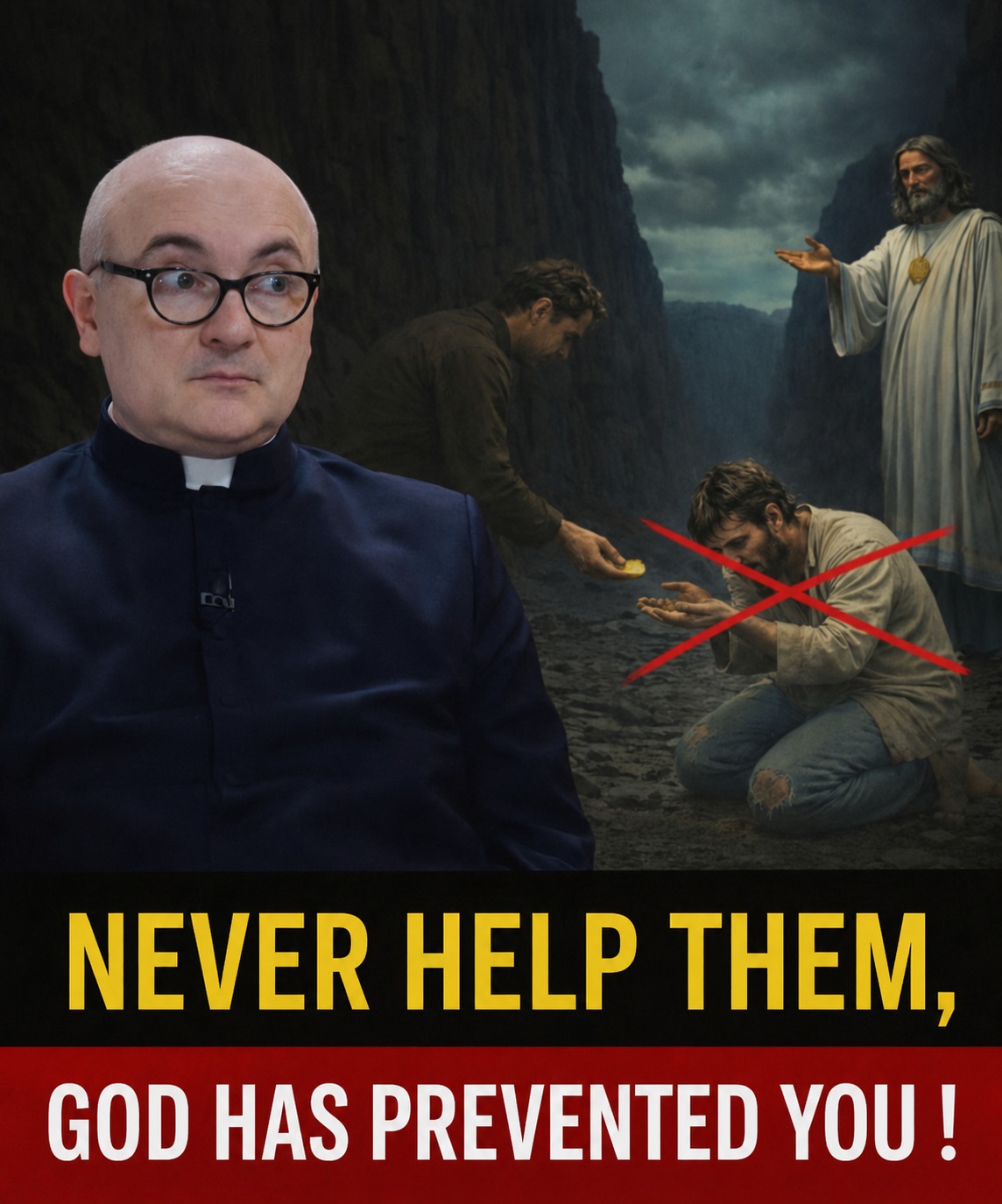
3. Those who shirk their responsibilities
The Bible distinguishes between those who are incapable of taking responsibility for themselves and those who simply refuse to try.
Constantly helping the irresponsible often creates dependency rather than positive change. What appears to be a need may actually be a form of avoidance. True help should empower, not encourage passivity.
4. People Who Create Conflict Wherever They Go:
Some people thrive on drama, division, and tension.
Helping them only gives them more space to spread negativity. Scripture advises distancing ourselves from those who repeatedly provoke conflict, even after being warned. Maintaining peace is not a sign of weakness, but of wisdom.
5. Those Who Refuse All Correction.
Correction aims to guide and heal. But when a person refuses all advice, help becomes ineffective.
Often, they are only seeking validation, not the truth. In these situations, silence or distance are sometimes the only ways to learn. Help doesn't always come through words.
6. Those Who Manipulate Compassion:
Some people don't ask for help sincerely; they use guilt, urgency, or fear to pressure others.
Helping under emotional pressure is not an act of true generosity. When compassion is manipulated, stepping back helps preserve your integrity and protect your heart.
7. Those Who Reject Boundaries:
Those who sincerely wish to help accept boundaries and responsibilities. Those who refuse to set boundaries often seek control, not support.
Helping without boundaries leads to exhaustion and emotional strain. God calls us to love with structure, not to lose ourselves in the demands of others.
8. Those who expect others to take charge of their lives.
Supporting someone doesn't mean living their life for them.
Some people want others to make decisions, take action, and take responsibility. However, personal growth requires effort. Too much help can hinder maturity and independence.
Practical reminders:
Think carefully before you help—don't act on impulse.
Look at actions, not just words.
Helping doesn't always mean giving; sometimes it means saying no.
Don't compromise the truth to preserve peace.
Set clear boundaries without guilt.
Continue to pray for others, even from a distance.
Remember: Accepting the consequences of your actions can be a form of love.
God doesn't tell us to stop helping; he teaches us to help wisely.
True love doesn't always say yes, doesn't always intervene, and doesn't always save.
Sometimes the most faithful and loving thing you can do… is to step back, trust in God’s work, and protect your own heart.