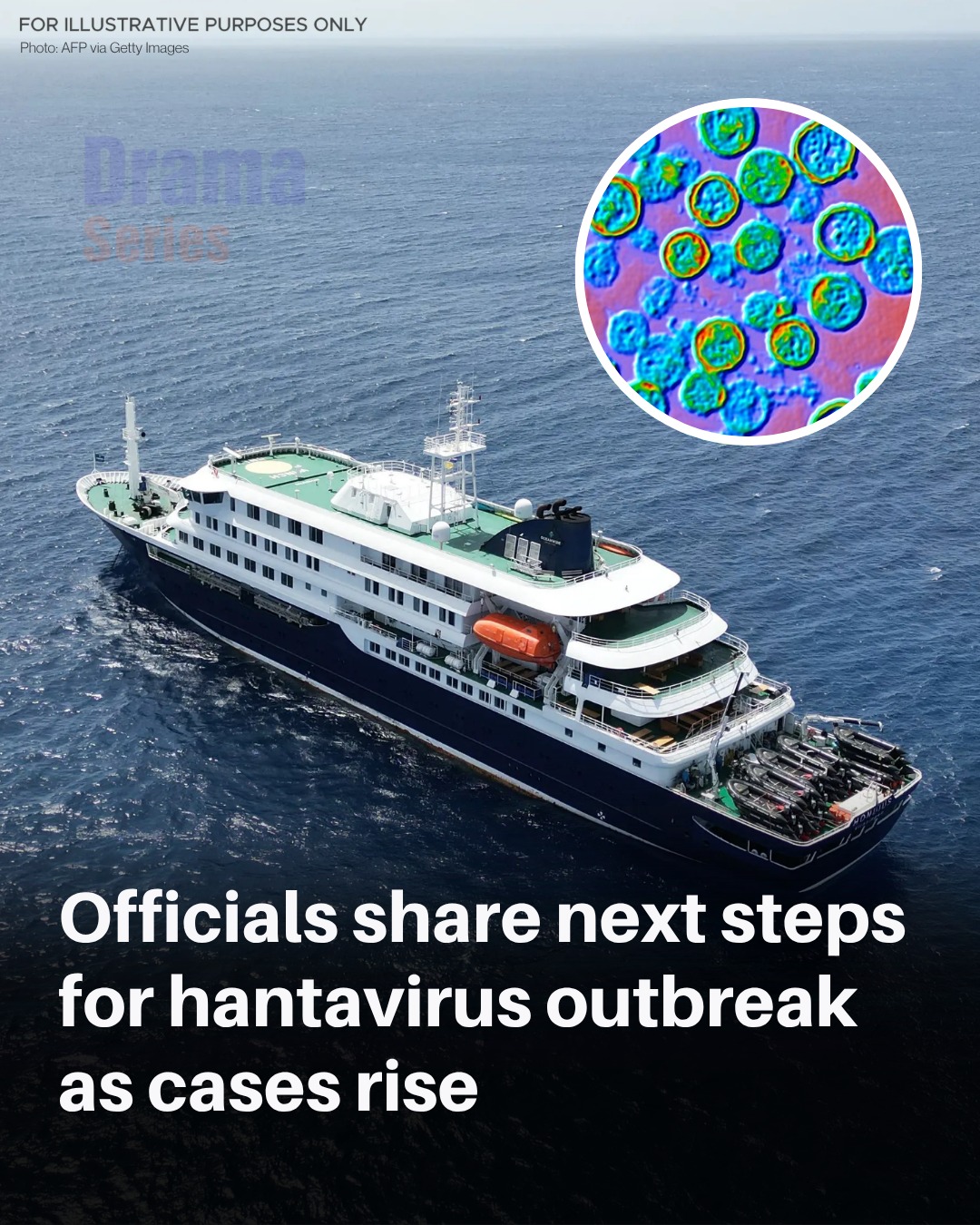
The World Health Organization (WHO) has issued a fresh update regarding the hantavirus outbreak linked to the cruise ship MV Hondius.
Operated by Oceanwide Expeditions, the vessel departed from Ushuaia on April 1 carrying 149 people, including 88 passengers and 59 crew members.
Since the voyage began, three individuals have tragically died either aboard the ship or after disembarking following infection with hantavirus, a disease primarily transmitted by rodents.
Although most hantavirus strains are not spread from person to person, rare cases of human transmission have been documented with the Andes strain — the variant identified in this outbreak.
During a press conference today, Tedros Adhanom Ghebreyesus provided an update on the situation.
He confirmed that eight cases have so far been reported, including three deaths. Of these, five cases have been laboratory-confirmed as hantavirus infections, while the remaining three are considered suspected cases.
Dr. Tedros noted that additional infections could still emerge due to the virus’s incubation period.
According to the BBC, the WHO stated that the first infected passengers had visited locations “where the species of rat known to carry the virus was present,” and investigations into the outbreak remain ongoing.
However, Dr. Tedros emphasized that, despite the seriousness of the incident, the WHO currently assesses the overall public health risk as low. Officials have also dismissed concerns that hantavirus could evolve into a global pandemic threat similar to COVID-19.
On Wednesday, May 6, authorities confirmed that three patients had been evacuated from the vessel to receive specialist medical treatment in the Netherlands. The patients include a 41-year-old Dutch man, a 65-year-old German man, and a 56-year-old British man.
What Happens Next for the MV Hondius?
During the briefing, Dr. Tedros explained that the WHO is coordinating with countries whose citizens are aboard the MV Hondius to arrange their safe return home.
He also announced that Argentina would provide 2,500 diagnostic kits to laboratories across five countries.
Maria Van Kerkhove said:
The next part changes everything.
Son who donated part of his liver to his father unfortunately ends up fa…

Two foods cause cancer (shocking!)
I Thought It Was a Rope… Then I Saw What Was Really Moving in My Garden

8 people God doesn't want you to help: here's what the Bible says. 🤔😱… Learn more