First food: processed meats
Processed meats are not ordinary meats. They are altered, dried, or smoked to extend their shelf life or enhance their flavor. Examples include deli meats, sausages, bacon, hot dogs, and beef jerky.
Large-scale epidemiological studies have established a clear link between high consumption of processed meats and an increased risk of cancer, particularly breast, colorectal, and lung cancer. A daily intake of 50 grams of processed meat increases the risk of cancer by 18%. Fifty grams is the equivalent of two slices of bacon or a deli meat sandwich eaten daily for lunch.
These meats often contain preservatives, such as nitrates. While these additives extend shelf life and improve color and flavor, they can also produce a compound in the body that damages cellular DNA, thus promoting the development of cancer.
Even when products are labeled “nitrate-free,” most still contain naturally occurring nitrates or other types of preservatives that pose a similar risk. These processed “nitrate-free” meats behave the same way in your body.
It is therefore recommended to avoid processed meats in your daily diet. Don’t keep them at home by default. If you want to eat bacon occasionally, at a restaurant brunch for example, do so without guilt, but consider it an exception and not a habit.
Second food: alcohol
Alcohol is classified as a Group 1 carcinogen, placing it in the same category as tobacco. It increases the risk of seven different types of cancer, including breast, colon and rectal, esophageal, liver, mouth and throat cancers.
Scientific data shows that one glass of alcohol per day increases the risk of cancer by about 9%. Three glasses per week, or one glass every two days, would increase this risk by about 4%. This even includes a glass of red wine.
The common belief that red wine is healthier than other types of alcohol is false. All alcohol is toxic to the body. The antioxidants found in alcohol, such as red wine, can easily be obtained from foods like berries or grapes.
When examining data from large populations — hundreds of thousands of people — and looking for patterns between their habits and the onset of cancer, alcohol consumption is found to be associated with an increased risk of cancer.
Focus on the essentials
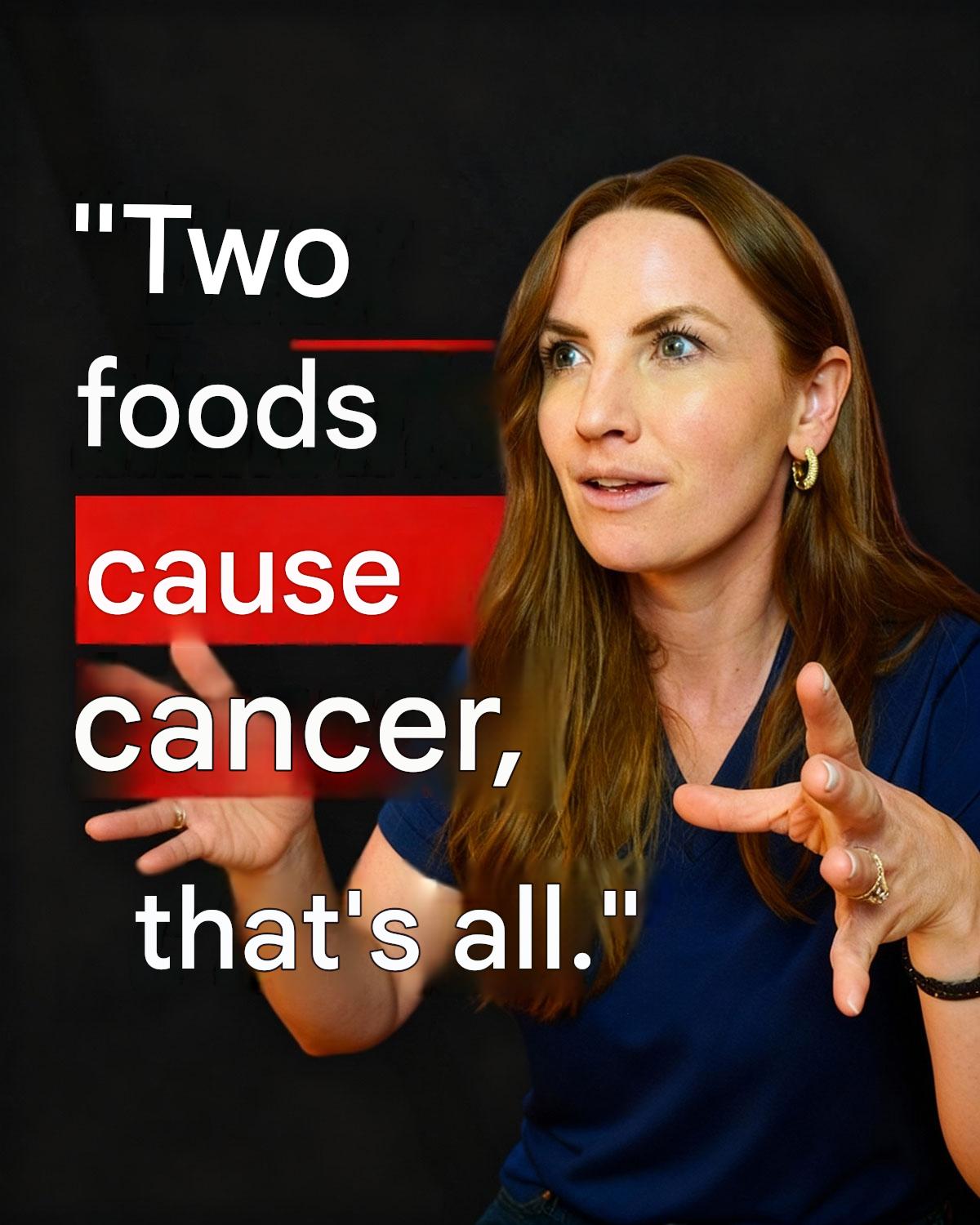
Only two food categories are actually linked to cancer: processed meats and alcohol. Everything else—dairy products, soy, meat, gluten—is not clearly linked to an increased risk of cancer.
Your energy would be better spent examining your diet as a whole and ensuring it helps reduce your cancer risk. If we fall into the trap of eliminating or restricting large food groups, it’s out of fear, not strategy.
You can absolutely lead a joyful life, including good food, while reducing your risk of cancer. The goal is to eat mindfully, intentionally, and let go of guilt.