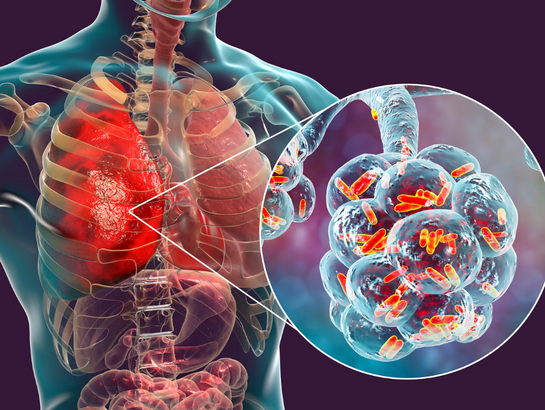
Viruses are the most common cause of respiratory tract infections. Influenza viruses, rhinoviruses, respiratory syncytial virus (RSV), and coronaviruses are well-known examples. Bacteria such as Streptococcus pneumoniae can also cause infections, particularly pneumonia or strep throat. In some cases, fungal infections affect people with serious immune problems.
Respiratory tract infections spread easily through droplets released when an infected person coughs, sneezes, or talks. They can also spread by touching contaminated surfaces and then touching the face. Crowded places, poor ventilation, smoking, pollution, and close contact with sick individuals increase the risk of infection.
Diagnosis depends on symptoms, medical history, and sometimes laboratory tests. Doctors may listen to the lungs, measure oxygen levels, perform throat swabs, chest X-rays, or blood tests. Correct diagnosis is important because viral infections usually do not need antibiotics, while bacterial infections may require them.
Treatment varies depending on the cause and severity. Mild viral infections often improve with rest, hydration, warm fluids, throat lozenges, and fever reducers. Antibiotics are used only for bacterial infections. Severe lower respiratory infections may need oxygen therapy, antiviral medication, or hospital care. Self-medicating with antibiotics without prescription can lead to antibiotic resistance, a growing global problem.
Prevention is one of the best defenses against respiratory tract infections. Frequent handwashing, covering coughs and sneezes, avoiding close contact with sick people, and cleaning shared surfaces can reduce spread. Vaccines for influenza, COVID-19, and certain types of pneumonia are highly effective in preventing severe illness. Quitting smoking and maintaining a healthy lifestyle also strengthen the lungs and immune system.
Children, older adults, and people with chronic illnesses such as asthma, diabetes, or heart disease are more vulnerable to complications. For these groups, even a common respiratory infection can become dangerous if not treated early.
In conclusion, respiratory tract infection is a common but important health issue that ranges from minor colds to life-threatening lung diseases. Understanding the causes, symptoms, and prevention methods can help individuals protect themselves and seek treatment when necessary. With proper hygiene, vaccination, and medical care, the impact of respiratory infections can be greatly reduced.