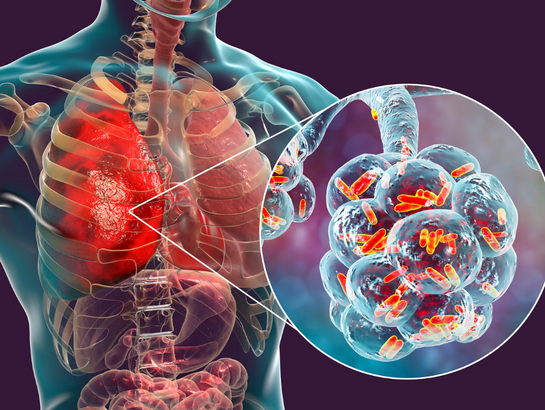
Respiratory Tract Infection: Causes, Symptoms, and Prevention

Respiratory tract infection, commonly known as RTI, is one of the most widespread health conditions affecting millions of people around the world every year. It refers to infections that affect the respiratory system, which includes the nose, throat, sinuses, airways, and lungs. These infections can range from mild illnesses such as the common cold to more serious diseases like pneumonia or bronchitis. Respiratory tract infections are especially common during colder seasons, but they can occur at any time of the year.
The respiratory system plays a vital role in human life because it allows oxygen to enter the body and carbon dioxide to leave. When bacteria, viruses, or fungi infect this system, breathing can become uncomfortable or difficult. Infections are generally divided into two main categories: upper respiratory tract infections and lower respiratory tract infections. Upper infections affect the nose, throat, and sinuses, while lower infections affect the lungs and lower airways.
Upper respiratory tract infections are usually less severe but highly contagious. Common examples include the common cold, sinus infections, tonsillitis, and laryngitis. Symptoms often include a runny nose, sore throat, sneezing, coughing, mild fever, headache, and fatigue. Most upper respiratory infections improve within a few days to two weeks with rest and supportive care.
Lower respiratory tract infections are more serious because they involve the lungs or bronchial tubes. Examples include bronchitis, bronchiolitis, and pneumonia. These conditions may cause chest pain, high fever, shortness of breath, wheezing, persistent cough, and weakness. In severe cases, hospitalization may be required, especially for infants, elderly people, or individuals with weakened immune systems.