More than five years after the global shock of COVID-19, the conversation has shifted. Early in the pandemic, vaccines were seen as the definitive turning point—the solution that would end widespread illness and restore normal life.
But a new and often misunderstood reality has emerged: vaccinated individuals can still get sick. Headlines and social media posts sometimes frame this as surprising—or even alarming. Yet the truth is far more nuanced, grounded in science, and essential for understanding how immunity really works.
This blog post unpacks the reasons behind post-vaccination illness, separates fact from misinformation, and explains what it actually means for your health today.Health
🧬 Vaccines Were Never Meant to Do Everything
One of the biggest misconceptions about vaccines—especially during the early days of COVID-19—was the belief that they would completely prevent infection.
In reality, vaccines are designed primarily to:
And by these measures, COVID-19 vaccines have been overwhelmingly successful.
Across multiple studies and real-world data, vaccinated individuals have consistently shown significantly lower rates of severe outcomes compared to those who remain unvaccinated.
So when vaccinated people get sick, it doesn’t mean the vaccine “failed.” It means the immune system is doing its job—just not always in a way that prevents infection entirely.
🔄 The Virus Changed—And Keeps Changing
Viruses evolve. That’s not a flaw in science—it’s a fundamental characteristic of biology.
Since 2020, the virus that causes COVID-19 has undergone multiple mutations, leading to new variants that behave differently from the original strain.
Discover more
family
health
celebrity
Some key changes include:
Increased transmissibility
Partial ability to evade immunity
Different symptom patterns
Variants like Omicron and its sublineages demonstrated a crucial point: even strong immunity from vaccination or prior infection may not fully block infection, especially in the upper respiratory tract.
However—and this is critical—protection against severe disease has remained much more stable.
🛡️ Immunity Isn’t a Permanent Shield
Another reason vaccinated individuals may still get sick is that immunity naturally wanes over time.
After vaccination:
Antibody levels peak
Then gradually decline
Memory cells remain for long-term protection
This means that months after vaccination, your body may not prevent infection as effectively—but it can still respond quickly to fight the virus.
This is why booster doses were introduced: to “remind” the immune system and strengthen protection, especially for vulnerable populations.

Shocking statement about Pfizer… See more
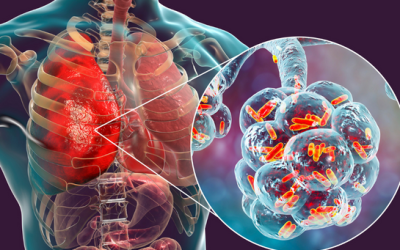
Respiratory Tract Infection: Causes, Symptoms, and Prevention
How stress and diet affect chin hair growth in women.
Your Nightly Routine Is Quietly Destroying Your Health And You Have No Idea.

“My 8-year-old son has had this for two months, and it’s getting worse 😟 What could it be?” (See the first comment below 👇)