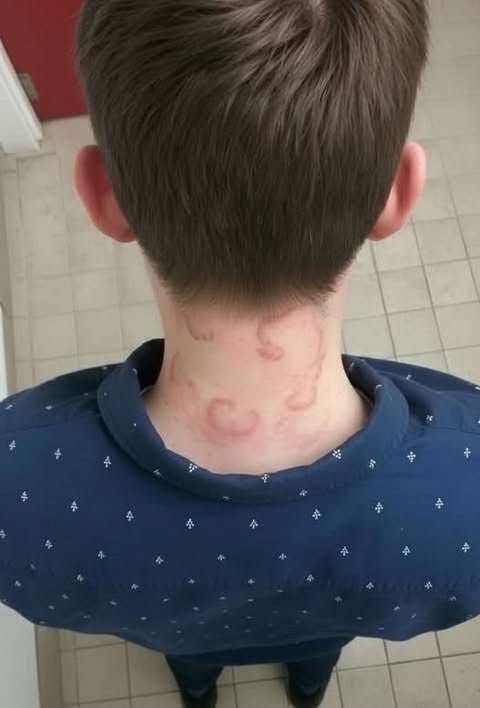
Hives are a skin condition that affects 1 in 5 people at some point in their lives. They cause itchy welts (or hives) on the skin that can be round or ring-shaped and may merge together.
They usually appear after scratching and can affect the skin on any part of the body.
It occurs when certain cells in the body, called mast cells, release histamine and other chemical mediators into the bloodstream. Hives result from fluid leaking from capillaries in the skin.
While the hives usually disappear within 24 hours, the condition itself may take longer to treat.
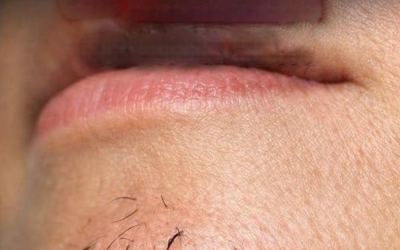
Hives are often accompanied by swelling under the skin, known as angioedema. This usually affects the soft tissues of the body, such as the lips, eyelids, or inside of the mouth.
Unlike hives, these swellings take longer to disappear and are more painful than itchy. If angioedema occurs without hives, it could be a hereditary condition called hereditary angioedema. In these cases, it is unrelated to urticaria and requires different treatment and blood tests for diagnosis.
Shutterstock.
Based on its duration, urticaria can be classified as:
Acute urticaria: the most common type, whose cause is usually known. This type lasts approximately six weeks.
Chronic urticaria: when outbreaks last longer than six weeks and whose cause is usually unknown.
👉🏻👉🏻👉🏻
For complete instructions, go to the next page or click the Open button (>). Don't forget to share it with your friends on Facebook.
read more in next page